Showing: 5 - 8 of 415 RESULTS
Chick beside an egg.

Eggs: Are They All They’re Cracked-Up To Be? 

Eggs. Until recently, we took them for granted. Rising prices may have you asking if they are worth it. Let’s crack open some facts about just what’s inside that shell. Then you can decide for yourself if eggs are worth it or not. 

You already know eggs are a good source of protein. Did you know they are also a common ingredient in many foods? They are a binding agent in foods like baked goods, meatloaf, salad dressings, ice cream, and coatings for fried foods. They are a thickener in others like mayonnaise and custard. The protein in eggs helps bind other ingredients together. You can see that eggs are a part of many other foods beyond your breakfast plate. 

Cool Egg Facts 

  • Chickens lay about 300 eggs per year! That’s almost one every day. 
  • The color of the shell (white or brown) doesn’t change the taste or nutrition. 
  • The yolk (yellow part) can be lighter or darker depending on the hen’s food. 
  • Eggs have tiny holes in the shell for air – around 7,000 of them! 
  • To tell the difference between a raw egg and a hard cooked one, spin it. Hard cooked eggs spin easily, raw eggs wobble. 
  • If you drop a raw egg on the floor, sprinkle it heavily with salt for easier clean up. 
  • Refrigerated eggs last about 3–5 weeks. 

Are Eggs Good for You? 

A good source of protein at 6 grams per egg, they are also bursting with 13 other important nutrients like Vitamin A, D, and B12. They are one of the richest dietary sources of choline. If you’ve never heard of choline, you’re not alone. Your brain and nervous system need choline for memory, mood, muscle control, and other functions. Sounds important! Eggs are also an important source of antioxidants that help protect your eyes from cataracts and other eye diseases. All this for just about 70 calories. 

In case you are wondering, the color of an egg’s shell has nothing to do with the nutrition inside. All eggs, no matter the color, are packed with the same protein and nutrition inside. The shell color comes from the type of hen that laid the egg.

What about Cholesterol? 

It’s true that eggs are high in cholesterol. Thankfully, less cholesterol than we used to think. And it turns out that cholesterol in the diet doesn’t necessarily raise cholesterol in the blood for most people. What you eat with your eggs can have more of an impact on your heart health. Think processed meats, refined grains, sugary beverages, and fatty foods. 

How to Cook Eggs 

There are many ways to cook eggs. Here are two simple ones: 

  •   Hard-Boiled Eggs
    • Put eggs in a pot and cover them with water.
    • Turn on the stove and bring water to a boil.
    • Once boiling, turn off heat and cover pot.
    • Let them sit for 9-10 minutes.
    • Cool in ice water, peel, and eat!
  • Scrambled Eggs
    • Crack 2 eggs into a bowl and beat with a fork.
    • Add a pinch of salt and pepper.
    • Heat oil in a pan over medium heat.
    • Pour in the eggs and stir as they cook.
    • Cook until fluffy and no longer runny. 

11 Ways to Use Eggs 

Frittata
  1. Frittata is like quiche without a crust! Make our Spinach Frittata for dinner tonight. 
  2. Breakfast casseroles aren’t just for breakfast. This Egg, Kale, Sweet Potato Casserole combines two Southern classics, grits and eggs, into one yummy dish that tastes great at any meal. 
  3. Scramble up a quick meal. Looking to incorporate more turmeric into your diet? Start your day in color with our Turmeric Scrambled Eggs
  4. Kids love to help make these simple and yummy Egg Rings. Watch the video to see just how easily they come together. 
  5. Omelets are good any time of day! Beat some eggs, pour them in a pan, add things like leftover vegetables, cheese, and meat before folding it in half. No need to be perfect. Your masterpiece will taste good no matter the shape! Try our Apple & Veggie Omelet for a fun twist. 
  6. Ever had homemade custard? It’s simple to make and tastes much better than store bought. https://foodtalk.org/en/recipe/simple-custard  
  7. Everyone loves pancakes. Get inspired with six different pancake recipes to choose from. 
  8. On the Go? Try an easy breakfast burrito or egg sandwich. For the sandwich, put a cooked egg (like fried or scrambled) between two slices of bread. Add mayo or mustard, cheese, or meat if desired. These are perfect ‘to go’ foods. Wrap in foil for a healthier, less costly version of what you’d get at a fast-food drive through. 
  9. Hard-boiled eggs have many uses. Add them sliced to salads, a ramen bowl, or see below for egg salad and deviled egg suggestions. Or simply eat out of hand as a snack. Ramen Noodles with Hard Boiled Eggs
  10. Egg salad: Roughly chop those hard-boiled eggs, mix with a little mayo, mustard, and diced celery. Season with salt and pepper. Serve on toast, in sandwiches, lettuce wraps, or as a side. 
  11. Deviled eggs: If you are looking for a healthy snack or to play with your food, we have the recipe for you. Spider Deviled Eggs aren’t just for Halloween.

While the cost of eggs may be high right now, they are tasty, healthy, and have many uses in the kitchen. So, crack one open and enjoy! 


Laurel Sanville, MS, RDN, LD | Edited by Jung Sun Lee, PhD, RDN; Edda Cotto-Rivera; and the nutrition education team 

Uncooked Dried Chickpeas In Wooden Spoon With Raw Green Chickpea Pod Plant On Wooden Table.

Chickpeas: Why They Should Be on Your Plate

Do you like hummus? Chickpeas are the main ingredient! These round beans are tasty and good for you. People have been eating them for thousands of years.  Let’s learn more about chickpeas and how to eat them more often!


What Are Chickpeas?

Chickpeas (also called garbanzo beans) are small, round beans similar to black beans or kidney beans. They are available both dried and canned and can also be made into flour. Chickpeas are used in many dishes around the world, from creamy hummus in the Middle East to spicy curries in India.


Fun Facts About Chickpeas

  • We have eaten chickpeas for over 7,000 years!

  • One cup of chickpeas has about 15 grams of protein—about the same as a 2-ounce serving of meat.

  • Chickpeas are better for the planet than meat: they use less water and cause less pollution.

  • Chickpeas help the soil by taking nitrogen from the air and putting it into the ground to help other plants grow.

  • Some people use chickpea cooking water (aquafaba) instead of egg whites in baking to make vegan foam.


Roasted spicy chickpeas on rustic background scattered

Why Are Chickpeas So Healthy?

Chickpeas are plant-based proteins and are recognized as both a vegetable and a protein by the Dietary Guidelines for Americans. They are full of important nutrients:

  • Fiber – supports digestion

  • Iron – helps you stay strong and energized

  • Folate, magnesium, potassium – essential vitamins and minerals

  • Healthy carbs – provide long-lasting energy

They help you feel full, support heart health, improve digestion, and are affordable.


Canned chickpeas in just opened tin can.

Cooking Chickpeas

Canned Chickpeas

  • Open, drain, and rinse. No cooking needed!

  • Try a few brands to find one with a texture you like.

Dried Chickpeas

  1. Sort & Rinse – remove debris, rinse well

  2. Soak:

    Overnight soak: Cover with water for 8–24 hours, drain and rinse
    Quick soak: Boil with water for 2–3 min, cover and sit 1 hour, then drain and rinse

  3. Cook: Simmer in water for 1–2 hours (or pressure cook for 30–40 min)

  4. Add flavor after cooking: Salt or tomatoes can slow cooking, so add afterward

🍽 ¼ cup dried chickpeas = ~½ cup cooked.


How to Store Chickpeas

  • Canned: Lasts for years; rinse before using

  • Dried: Store in an airtight container for up to 1 year

  • Cooked: Keep in the fridge (up to 5 days) or freeze (up to 6 months)


Different hummus bowls. Chickpea hummus, avocado hummus and lentils hummus on wooden table

10 Delicious Ways to Eat Chickpeas

  1. Hummus – Blend with lemon, garlic, tahini, and olive oil

  2. Chickpea Salad Sandwich – Try it with or without curry powder

  3. Add to Salads – Like our Carrot and Chickpea Salad

  4. Fast Lunch – Mix with cucumber, tomato, onion, feta, and lemon-olive oil

  5. Roasted Chickpeas – Toss with oil & spices, bake or air fry

  6. Chickpea Snack Mix – Combine roasted chickpeas with nuts, dried fruit, chocolate chips

  7. Curry – Simmer in a rich, spicy sauce

  8. Soups & Stews – Try our Slow-Cooker West African Peanut Stew

  9. Falafel – Blend with herbs and spices to make crispy balls

  10. Chickpea Pasta – Look for chickpea flour pasta for a protein-rich noodle night


Laurel Sanville, MS, RDN, LD | Edited by Jung Sun Lee, PhD, RDN; Edda Cotto-Rivera; and the nutrition education team

National Salad Month. Diet and healthy salad with lettuce, spinach, arugula, mozzarella and cherry tomato.

National Salad Month                                  

Did you know that May is National Salad Month? Salads are so refreshing, so they are great for when the weather starts to warm up! They are also super versatile. When it comes to salads there are no rules. Include what you like and skip what you don’t to really make it your own! 

Start with Greens!  

Start your salad with some leafy greens as a base. This is a great way to pack in nutrients like B vitamins, vitamin C, vitamin E, and many more [1]! Greens are in-season in Georgia in May – this includes things like arugula, cabbage, kale, lettuce, and spinach [2]. Pick your favorite or do a mix!  

Various Leafy Greens

Choose your veggies! 

You can mix and match any vegetables you like in your salad! These could be fresh, ​​​​frozen vegetables that have been cooked in advance, or canned – use what you like and what you have. Some vegetables that are in-season in Georgia in May are ​Vidalia onions​​, ​carrots, ​beets, ​radishes, ​broccoli, mushrooms, ​and​ sugar snap peas​ [2]. These could all be great choices to add to a salad! Try to make your salad colorful by adding a mix of fruits and vegetables. Different colors can mean different nutrients, so it’s great to get a good mix!  

Bowl of mixed vegetables

Dressing 

Vinaigrette DressingEvery salad needs a little dressing. Store-bought dressing can sometimes add a lot of ​salt, ​fat​,​ or added sugar, so it’s important to ​read the nutrition facts label ​when picking a dressing ​[3]​. Another option is to make your dressing at home! Checkout out ​UGA ​SNAP-Ed’s 2025 Recipe Calendar for two simple and easy salad dressing recipes. These are made with only a few ingredients that you probably already have in your pantry! 

Optional Protein 

If you’re serving this salad as a side-dish, you could stop after the greens, vegetables, and dressing, but if this salad is going to be served as an entree it might be good to add a protein source. This will make your salad more filling and satisfying! Some protein sources you could try are beans, chickpeas, chicken, shelled edamame (sometimes called mukimame), or any cooked meat  

Optional Toppings 

If you really want to spice up your salad you can try adding extra optional toppings! This could include things like chopped fresh or dried herbs (for example: parsley, mint, cilantro), nuts and seeds, fruit, cheese, croutons, or cooked whole grains (for example: brown rice, whole wheat pasta, barley, farro). Nuts and seeds add healthy fats which can help make your salad more filling. Georgia pecans, walnuts, slivered almonds, sunflower, and pumpkin seeds are all great choices. Have you ever thought about adding fruit to a salad? If not, you need to give it a try! Some fruits that are in-season in Georgia in May include blueberries, peaches, and strawberries [2]. Such a sweet and refreshing addition that also adds some extra nutrients to your salad! 

Recipes

Struggling to create your own salad? No worries! Check out some recipes below.  

https://foodtalk.org/en/recipe/spinach-and-pecan-salad-with-lemon-vinaigrette

https://www.myplate.gov/recipes/cucumber-blueberry-salad

https://www.myplate.gov/recipes/beet-white-bean-salad

https://www.myplate.gov/recipes/taco-salad-ii

https://foodtalk.org/en/recipe/green-salad-with-pineapple/

https://foodtalk.org/en/recipe/kale-and-orange/salad/

References: 

  1. https://eatfresh.org/discover-foods/leafy-greens/  
  2. https://foodtalk.org/en/blog/whats-in-season-in-georgia/ ​​ 
  3. https://foodtalk.org/en/blog/food-label-facts/

    Published on May 22, 2025  

Kaylee Gallatin, UGA MS-DI student| Edited by Jung Sun Lee, PhD, RDN; Laurel Sanville, MS, RDN, LD ; Edda Cotto-Rivera; and the nutrition education team  

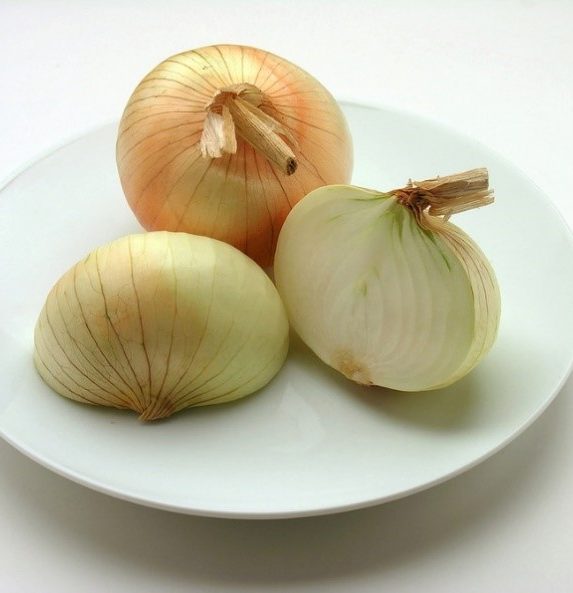
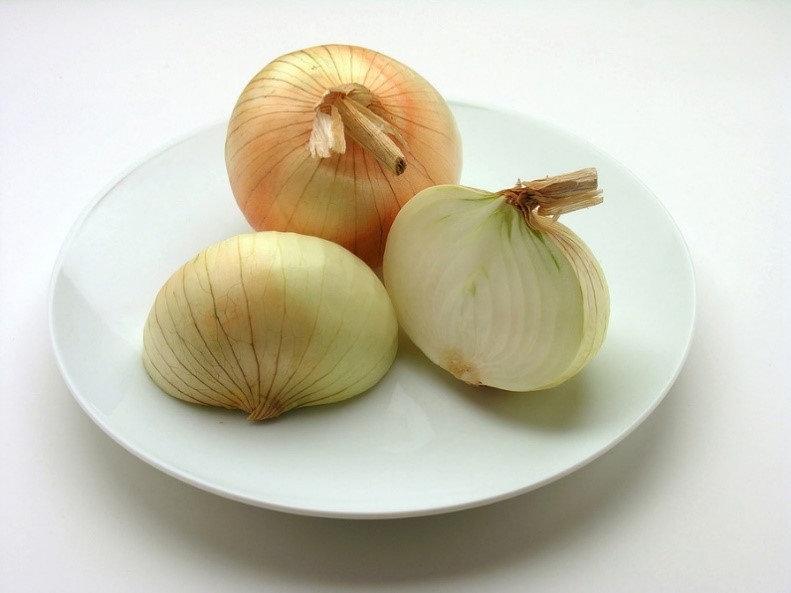
Vidalia Onions

Vidalia Onions: The Sweet Treat for Your Meals!  

Do you want to make your meals more delicious? Try Vidalia onions! These onions are sweeter and milder than regular yellow onions. They come from Vidalia, Georgia, and have been grown there since the 1930s. 

Benefits of Vidalia Onions 

 Onions are part of the same plant family as garlic, shallots, and leeks. People have been growing these plants for centuries, because they taste good and for their potential health benefits. Vidalia onions have nutrients, including vitamin C and potassium, which help keep your body strong and healthy.  

Sweet Facts About Vidalia Onions 


  • Only grown in Georgia! If an onion is grown somewhere else, it can’t be called a Vidalia onion.  
  • Found by accident. A farmer planted onions and was surprised when they turned out sweeter than normal!  
  • Georgia’s sandy soil makes them sweet. The dirt has low sulfur, which gives Vidalia onions their mild flavor.  
  • Won’t make you cry as much. Most onions have a chemical which makes your eyes water. Vidalia onions have less of this, so they don’t make you cry as much.  
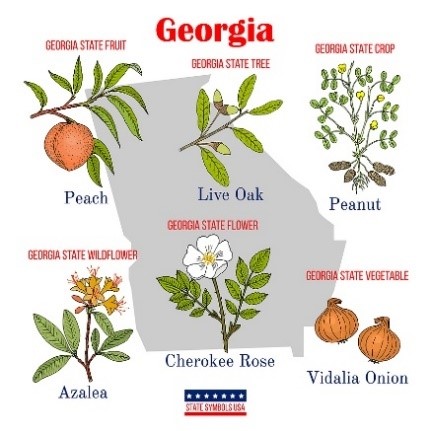
  • Official state vegetable of Georgia! Vidalia onions got this title in 1990.  
  • Harvested from April to August. These onions are only available for part of the year, so enjoy them while you can!  

It’s Easy to Cook with Vidalia onions!  

  • Eat them raw in salads or sandwiches.  
  • Sauté or roast them in a pan to bring out their natural sweetness.  
  • Grill them for a smoky taste.  
  • Pickle them for a tangy twist.  

10 Ways to Use Vidalia Onions  

1. Chop them up and add them to a salad for a little crunch.  

2. Use them in omelets, frittatas, or quiches for extra flavor.  

3. Toss them into a stir-fry or pasta dish for a sweet kick. Our Rustic Rotini recipe is a crowd pleaser made better by the flavorful onion!  

4. Make onion rings—they’re great in an air fryer!  

5. Perk up soups and stews like French onion soup or our 15 Minute Chili.  

6. Sprinkle them on pizza—sweet onion goes great with cheese and sauce! Try our crispy tortilla pizza recipe using Vidalias.  

7. Sweeten your greens with Vidalias.   

8. Grill or caramelize them to top burgers, meat, or tofu.  

9. Freshen up homemade salsa, guacamole, or other dips with Vidalias.  

10. Try this classic recipe: Peel a Vidalia onion and cut a small cone-shaped hole in the top. Put in a bouillon cube and a little olive oil in the hole. Wrap it in foil and bake on a pan at 350°F for 45-60 minutes until soft. Enjoy!  


Vidalia onions are delicious, healthy, and easy to use in many meals. Their mild, sweet taste adds flavor without being too strong. Whether you eat them raw, cooked, or grilled, they bring out the best in your food. Plus, they are good for you!  


Published April 17, 2025  

Laurel Sanville, MS, RDN, LD | Edited by Jung Sun Lee, PhD, RDN; Edda Cotto-Rivera; and the nutrition education team